

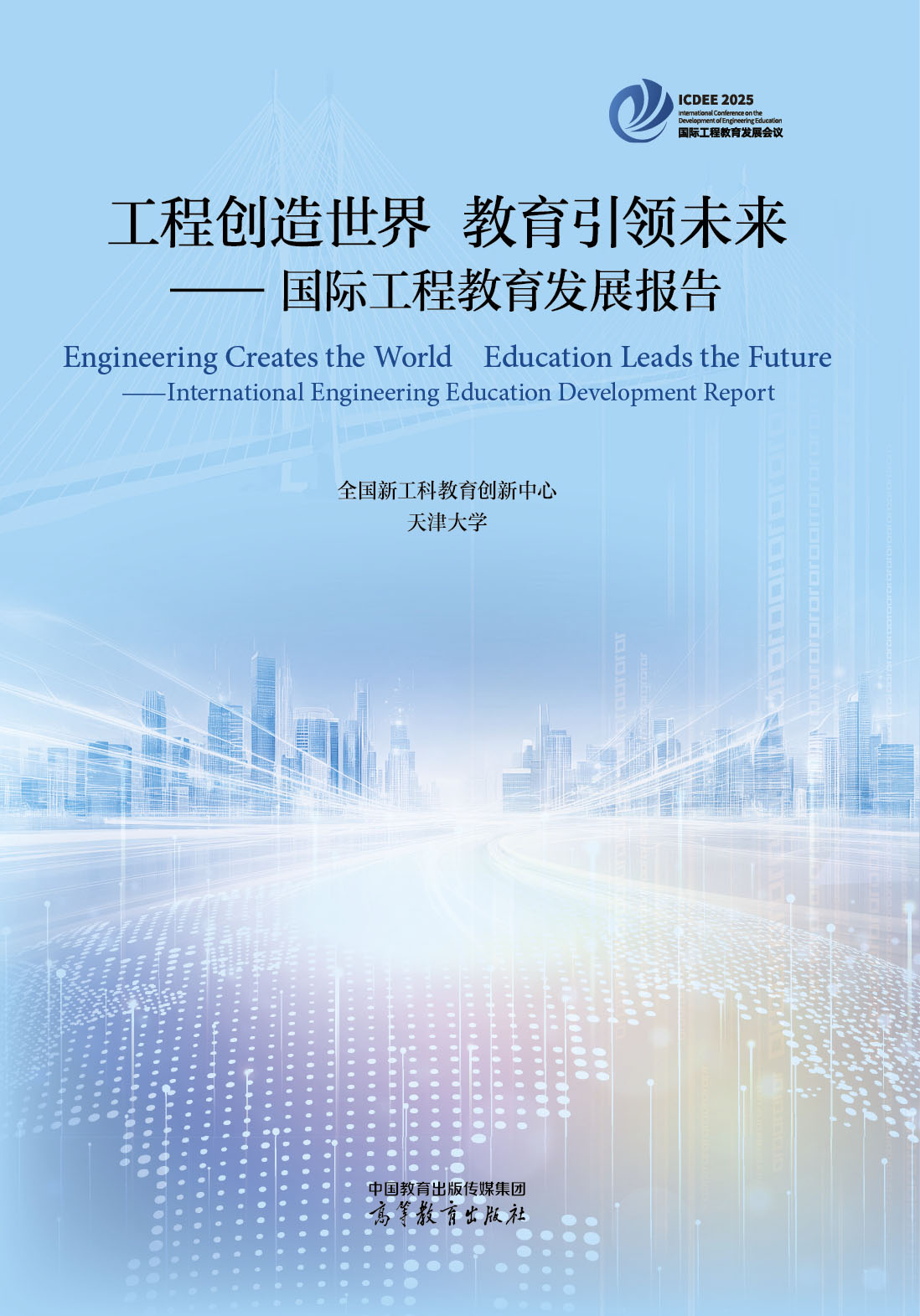





工程创造世界 教育引领未来——国际工程教育发展报告
定价:¥45.00
作者: 刘鑫桥
出版社:高等教育出版社
- 高等教育出版社
- 9787040658491
- 1版
- 47265680-0
- 16开
- 教育学
- 教育学类
- 通用
- 本科
内容简介
在全球科技创新与产业变革加速发展的背景下,各国对工程人才的需求日益迫切。工程教育作为培养工程人才的关键途径,其发展动态与未来趋势受到广泛关注。从历史经验而言,工程教育始终与产业发展息息相关。四次工业革命的历史表明,蒸汽机的应用、电力的普及、数字化转型持续催生对新型工程人才的需求,推动工程教育在课程体系、培养模式上持续迭代;而工程教育培养的人才又反哺产业发展,成为技术突破与产业创新的核心驱动力。从教育实践而言,亚洲、大洋洲、非洲、欧洲、美洲典型国家工程教育发展现状和经验表明,国际工程教育发展既具有趋同性,又呈现多样化发展路径,“本土化适配”是国际工程教育发展的突出特征。未来工程教育将深度融合科技与人文,构建产教协同与科教融汇的新生态,依托人工智能等数字技术重塑教育形态,实现跨学科融合、本研贯通和可持续发展“三位一体”的转型升级,并建立工程人才终身学习体系,同时面向全球责任,深化国际协同创新,以伦理价值引领负责任的工程文化,推动人类社会的可持续发展。
本报告系统梳理了国际工程教育的发展脉络与规律,凝聚国际视野与本土关切的研究成果,揭示工程教育在驱动科技创新、社会进步与文明演进中的引擎作用,为各国深化工程教育改革、提升工程人才培养质量提供理论参考与实践路径,对推动工程教育转型和全球文明进步具有重要的战略价值。
目录
目录
前辅文
第一章 工程教育与人类社会发展
第一节 第一次工业革命:从作坊到体系的工程教育奠基(1760年代—1860年代)
第二节 第二次工业革命:分层与体系扩张的工程教育(1870年代—1940年代)
第三节 第三次工业革命:交叉与流动的范式转型(1950年代—2010年代)
第四节 第四次工业革命:融合与治理的多极化发展(2010年代至今)
第二章 国际工程教育发展现状与趋势
第一节 国际工程教育发展现状
一、亚洲
二、大洋洲
三、非洲
四、欧洲
五、美洲
第二节 国际工程教育发展经验与挑战
一、国际工程教育发展的差异
二、国际工程教育发展的经验
三、国际工程教育发展的挑战
第三章 面向未来的工程教育范式变革
第一节 产教深度融合:工程教育与产业协同发展新格局
一、产教融合模式创新的多维突破
二、人才培养路径的系统重构
三、支撑产业升级的协同机制构建
第二节 科教融汇赋能:推进科学研究与教育教学的深度融合新生态
一、课程体系与教学内容的革命性重构
二、全面革新教学模式与方法论体系
三、重塑师资评价与发展机制
四、打造多维度科教融汇支撑平台
第三节 数字技术赋能:人工智能重塑工程教育新生态
一、数字技术赋能教学模式创新
二、工程实践体系重构
三、制度体系适应性变革
第四节 范式转型升级:工程教育“三位一体”新发展模式
一、跨学科融合培养机制的系统构建
二、本研贯通认证体系的创新实践
三、可持续发展教育的深度融入
第五节 终身学习体系:构建工程科技人才持续发展新图景
一、全周期终身学习体系的构建
二、灵活学习模式的创新实践
三、智慧继续教育平台的融合发展
第六节 全球责任担当:工程教育促进人类社会可持续发展
一、服务联合国可持续发展目标
二、全球胜任力的系统培养
三、跨国协作平台的创新实践
第七节 国际协同创新:全球工程教育协同创新发展新路径
一、国际合作平台的体系化建设
二、标准互认与资源共建的创新发展
三、国际化人才培养的系统实践
第八节 伦理价值引领:打造负责任的工程创新文化新范式
一、工程伦理教育的价值内化
二、社会责任培养的实践创新路径
三、技术创新风险治理能力的跃升
后记
Chapter 1 Engineering Education and Human Social Development
Ⅰ. The First Industrial Revolution: Laying the Foundations of Engineering Education—From Workshops to Systems (1760s-1860s)
Ⅱ. The Second Industrial Revolution: Stratification and Systemic Expansion in Engineering Education (1870s-1940s)
Ⅲ. The Third Industrial Revolution: A Paradigm Shift toward Interdisciplinarity and Mobility (1950s-2010s)
Ⅳ. The Fourth Industrial Revolution: Multipolar Evolution in Integration and Governance (2010s-Present)
Chapter 2 Current Status and Trends in International Engineering Education
Ⅰ. Current Status of International Engineering Education
(Ⅰ) Asia
(Ⅱ) Oceania
(Ⅲ) Africa
(Ⅳ) Europe
(Ⅴ) The Americas
Ⅱ. Experiences and Challenges in International Engineering Education
(Ⅰ) Variations in International Engineering Education
(Ⅱ) Experiences in the Development of International Engineering Education
(Ⅲ) Challenges in the Development of International Engineering Education
Chapter 3 Future Oriented Paradigm Shifts in Engineering Education
Ⅰ. Deep Industry-Education Integration: A New Pattern of Synergistic Development
(Ⅰ) Multidimensional Breakthroughs in Models of Integration
(Ⅱ) Systemic Reconstruction of Talent Development Pathways
(Ⅲ) Building Coordination Mechanisms that Support Industrial Upgrading
Ⅱ. Science Education Confluence: A New Ecology for Deep Integration of Research and Teaching
(Ⅰ) Transformative Reconstruction of Curricula and Content
(Ⅱ) Comprehensive Innovation in Teaching Models and Methodologies
(Ⅲ) Reshaping Faculty Evaluation and Development Mechanisms
(Ⅳ) Building Multidimensional Support Platforms for Integrating Science and Education
Ⅲ. Digital Empowerment: AI Reshaping the Engineering Education Ecosystem
(Ⅰ) Digital Technologies Enabling Pedagogical Innovation
(Ⅱ) Reconfiguring Systems for Engineering Practice
(Ⅲ) Adaptive Transformation of Institutional Systems
Ⅳ. Upgrading the Paradigm: A “Three in One” Development Model for Engineering Education
(Ⅰ) Systematic Construction of Interdisciplinary Training Mechanisms
(Ⅱ) Innovative Practice in Integrated Undergraduate Graduate Accreditation
(Ⅲ) Deep Integration of Education for Sustainable Development
Ⅴ. A Lifelong Learning System: Continuous Development Pathways for Engineering Talent
(Ⅰ) Building a Full Cycle Lifelong Learning System
(Ⅱ) Innovative Practice in Flexible Learning Modes
(Ⅲ) Integrated Development of Smart Continuing Education Platforms
Ⅵ. Global Responsibility: Engineering Education Advancing Sustainable Development
(Ⅰ) Serving the UN Sustainable Development Goals
(Ⅱ) Systematic Cultivation of Global Competence
(Ⅲ) Innovative Practice of Transnational Collaboration Platforms
Ⅶ. International Co Innovation: New Pathways for Collaborative Global Development in Engineering Education
(Ⅰ) Systematic Development of International Cooperation Platforms
(Ⅱ) Innovative Progress of Mutual Recognition and Shared Resource Construction
(Ⅲ) Systematic Practice in Internationalized Talent Training
Ⅷ. Ethical and Value Guidance: Creating a New Paradigm for a Responsible Engineering Innovation Culture
(Ⅰ) Internalizing the Values of Engineering Ethics Education
(Ⅱ) Practical and Innovative Pathways for Fostering Social Responsibility
(Ⅲ) Enhancing Capabilities for Risk Governance in Technological Innovation
Postscript
前辅文
第一章 工程教育与人类社会发展
第一节 第一次工业革命:从作坊到体系的工程教育奠基(1760年代—1860年代)
第二节 第二次工业革命:分层与体系扩张的工程教育(1870年代—1940年代)
第三节 第三次工业革命:交叉与流动的范式转型(1950年代—2010年代)
第四节 第四次工业革命:融合与治理的多极化发展(2010年代至今)
第二章 国际工程教育发展现状与趋势
第一节 国际工程教育发展现状
一、亚洲
二、大洋洲
三、非洲
四、欧洲
五、美洲
第二节 国际工程教育发展经验与挑战
一、国际工程教育发展的差异
二、国际工程教育发展的经验
三、国际工程教育发展的挑战
第三章 面向未来的工程教育范式变革
第一节 产教深度融合:工程教育与产业协同发展新格局
一、产教融合模式创新的多维突破
二、人才培养路径的系统重构
三、支撑产业升级的协同机制构建
第二节 科教融汇赋能:推进科学研究与教育教学的深度融合新生态
一、课程体系与教学内容的革命性重构
二、全面革新教学模式与方法论体系
三、重塑师资评价与发展机制
四、打造多维度科教融汇支撑平台
第三节 数字技术赋能:人工智能重塑工程教育新生态
一、数字技术赋能教学模式创新
二、工程实践体系重构
三、制度体系适应性变革
第四节 范式转型升级:工程教育“三位一体”新发展模式
一、跨学科融合培养机制的系统构建
二、本研贯通认证体系的创新实践
三、可持续发展教育的深度融入
第五节 终身学习体系:构建工程科技人才持续发展新图景
一、全周期终身学习体系的构建
二、灵活学习模式的创新实践
三、智慧继续教育平台的融合发展
第六节 全球责任担当:工程教育促进人类社会可持续发展
一、服务联合国可持续发展目标
二、全球胜任力的系统培养
三、跨国协作平台的创新实践
第七节 国际协同创新:全球工程教育协同创新发展新路径
一、国际合作平台的体系化建设
二、标准互认与资源共建的创新发展
三、国际化人才培养的系统实践
第八节 伦理价值引领:打造负责任的工程创新文化新范式
一、工程伦理教育的价值内化
二、社会责任培养的实践创新路径
三、技术创新风险治理能力的跃升
后记
Chapter 1 Engineering Education and Human Social Development
Ⅰ. The First Industrial Revolution: Laying the Foundations of Engineering Education—From Workshops to Systems (1760s-1860s)
Ⅱ. The Second Industrial Revolution: Stratification and Systemic Expansion in Engineering Education (1870s-1940s)
Ⅲ. The Third Industrial Revolution: A Paradigm Shift toward Interdisciplinarity and Mobility (1950s-2010s)
Ⅳ. The Fourth Industrial Revolution: Multipolar Evolution in Integration and Governance (2010s-Present)
Chapter 2 Current Status and Trends in International Engineering Education
Ⅰ. Current Status of International Engineering Education
(Ⅰ) Asia
(Ⅱ) Oceania
(Ⅲ) Africa
(Ⅳ) Europe
(Ⅴ) The Americas
Ⅱ. Experiences and Challenges in International Engineering Education
(Ⅰ) Variations in International Engineering Education
(Ⅱ) Experiences in the Development of International Engineering Education
(Ⅲ) Challenges in the Development of International Engineering Education
Chapter 3 Future Oriented Paradigm Shifts in Engineering Education
Ⅰ. Deep Industry-Education Integration: A New Pattern of Synergistic Development
(Ⅰ) Multidimensional Breakthroughs in Models of Integration
(Ⅱ) Systemic Reconstruction of Talent Development Pathways
(Ⅲ) Building Coordination Mechanisms that Support Industrial Upgrading
Ⅱ. Science Education Confluence: A New Ecology for Deep Integration of Research and Teaching
(Ⅰ) Transformative Reconstruction of Curricula and Content
(Ⅱ) Comprehensive Innovation in Teaching Models and Methodologies
(Ⅲ) Reshaping Faculty Evaluation and Development Mechanisms
(Ⅳ) Building Multidimensional Support Platforms for Integrating Science and Education
Ⅲ. Digital Empowerment: AI Reshaping the Engineering Education Ecosystem
(Ⅰ) Digital Technologies Enabling Pedagogical Innovation
(Ⅱ) Reconfiguring Systems for Engineering Practice
(Ⅲ) Adaptive Transformation of Institutional Systems
Ⅳ. Upgrading the Paradigm: A “Three in One” Development Model for Engineering Education
(Ⅰ) Systematic Construction of Interdisciplinary Training Mechanisms
(Ⅱ) Innovative Practice in Integrated Undergraduate Graduate Accreditation
(Ⅲ) Deep Integration of Education for Sustainable Development
Ⅴ. A Lifelong Learning System: Continuous Development Pathways for Engineering Talent
(Ⅰ) Building a Full Cycle Lifelong Learning System
(Ⅱ) Innovative Practice in Flexible Learning Modes
(Ⅲ) Integrated Development of Smart Continuing Education Platforms
Ⅵ. Global Responsibility: Engineering Education Advancing Sustainable Development
(Ⅰ) Serving the UN Sustainable Development Goals
(Ⅱ) Systematic Cultivation of Global Competence
(Ⅲ) Innovative Practice of Transnational Collaboration Platforms
Ⅶ. International Co Innovation: New Pathways for Collaborative Global Development in Engineering Education
(Ⅰ) Systematic Development of International Cooperation Platforms
(Ⅱ) Innovative Progress of Mutual Recognition and Shared Resource Construction
(Ⅲ) Systematic Practice in Internationalized Talent Training
Ⅷ. Ethical and Value Guidance: Creating a New Paradigm for a Responsible Engineering Innovation Culture
(Ⅰ) Internalizing the Values of Engineering Ethics Education
(Ⅱ) Practical and Innovative Pathways for Fostering Social Responsibility
(Ⅲ) Enhancing Capabilities for Risk Governance in Technological Innovation
Postscript
前辅文
第一章 工程教育与人类社会发展
第一节 第一次工业革命:从作坊到体系的工程教育奠基(1760年代—1860年代)
第二节 第二次工业革命:分层与体系扩张的工程教育(1870年代—1940年代)
第三节 第三次工业革命:交叉与流动的范式转型(1950年代—2010年代)
第四节 第四次工业革命:融合与治理的多极化发展(2010年代至今)
第二章 国际工程教育发展现状与趋势
第一节 国际工程教育发展现状
一、亚洲
二、大洋洲
三、非洲
四、欧洲
五、美洲
第二节 国际工程教育发展经验与挑战
一、国际工程教育发展的差异
二、国际工程教育发展的经验
三、国际工程教育发展的挑战
第三章 面向未来的工程教育范式变革
第一节 产教深度融合:工程教育与产业协同发展新格局
一、产教融合模式创新的多维突破
二、人才培养路径的系统重构
三、支撑产业升级的协同机制构建
第二节 科教融汇赋能:推进科学研究与教育教学的深度融合新生态
一、课程体系与教学内容的革命性重构
二、全面革新教学模式与方法论体系
三、重塑师资评价与发展机制
四、打造多维度科教融汇支撑平台
第三节 数字技术赋能:人工智能重塑工程教育新生态
一、数字技术赋能教学模式创新
二、工程实践体系重构
三、制度体系适应性变革
第四节 范式转型升级:工程教育“三位一体”新发展模式
一、跨学科融合培养机制的系统构建
二、本研贯通认证体系的创新实践
三、可持续发展教育的深度融入
第五节 终身学习体系:构建工程科技人才持续发展新图景
一、全周期终身学习体系的构建
二、灵活学习模式的创新实践
三、智慧继续教育平台的融合发展
第六节 全球责任担当:工程教育促进人类社会可持续发展
一、服务联合国可持续发展目标
二、全球胜任力的系统培养
三、跨国协作平台的创新实践
第七节 国际协同创新:全球工程教育协同创新发展新路径
一、国际合作平台的体系化建设
二、标准互认与资源共建的创新发展
三、国际化人才培养的系统实践
第八节 伦理价值引领:打造负责任的工程创新文化新范式
一、工程伦理教育的价值内化
二、社会责任培养的实践创新路径
三、技术创新风险治理能力的跃升
后记
Chapter 1 Engineering Education and Human Social Development
Ⅰ. The First Industrial Revolution: Laying the Foundations of Engineering Education—From Workshops to Systems (1760s-1860s)
Ⅱ. The Second Industrial Revolution: Stratification and Systemic Expansion in Engineering Education (1870s-1940s)
Ⅲ. The Third Industrial Revolution: A Paradigm Shift toward Interdisciplinarity and Mobility (1950s-2010s)
Ⅳ. The Fourth Industrial Revolution: Multipolar Evolution in Integration and Governance (2010s-Present)
Chapter 2 Current Status and Trends in International Engineering Education
Ⅰ. Current Status of International Engineering Education
(Ⅰ) Asia
(Ⅱ) Oceania
(Ⅲ) Africa
(Ⅳ) Europe
(Ⅴ) The Americas
Ⅱ. Experiences and Challenges in International Engineering Education
(Ⅰ) Variations in International Engineering Education
(Ⅱ) Experiences in the Development of International Engineering Education
(Ⅲ) Challenges in the Development of International Engineering Education
Chapter 3 Future Oriented Paradigm Shifts in Engineering Education
Ⅰ. Deep Industry-Education Integration: A New Pattern of Synergistic Development
(Ⅰ) Multidimensional Breakthroughs in Models of Integration
(Ⅱ) Systemic Reconstruction of Talent Development Pathways
(Ⅲ) Building Coordination Mechanisms that Support Industrial Upgrading
Ⅱ. Science Education Confluence: A New Ecology for Deep Integration of Research and Teaching
(Ⅰ) Transformative Reconstruction of Curricula and Content
(Ⅱ) Comprehensive Innovation in Teaching Models and Methodologies
(Ⅲ) Reshaping Faculty Evaluation and Development Mechanisms
(Ⅳ) Building Multidimensional Support Platforms for Integrating Science and Education
Ⅲ. Digital Empowerment: AI Reshaping the Engineering Education Ecosystem
(Ⅰ) Digital Technologies Enabling Pedagogical Innovation
(Ⅱ) Reconfiguring Systems for Engineering Practice
(Ⅲ) Adaptive Transformation of Institutional Systems
Ⅳ. Upgrading the Paradigm: A “Three in One” Development Model for Engineering Education
(Ⅰ) Systematic Construction of Interdisciplinary Training Mechanisms
(Ⅱ) Innovative Practice in Integrated Undergraduate Graduate Accreditation
(Ⅲ) Deep Integration of Education for Sustainable Development
Ⅴ. A Lifelong Learning System: Continuous Development Pathways for Engineering Talent
(Ⅰ) Building a Full Cycle Lifelong Learning System
(Ⅱ) Innovative Practice in Flexible Learning Modes
(Ⅲ) Integrated Development of Smart Continuing Education Platforms
Ⅵ. Global Responsibility: Engineering Education Advancing Sustainable Development
(Ⅰ) Serving the UN Sustainable Development Goals
(Ⅱ) Systematic Cultivation of Global Competence
(Ⅲ) Innovative Practice of Transnational Collaboration Platforms
Ⅶ. International Co Innovation: New Pathways for Collaborative Global Development in Engineering Education
(Ⅰ) Systematic Development of International Cooperation Platforms
(Ⅱ) Innovative Progress of Mutual Recognition and Shared Resource Construction
(Ⅲ) Systematic Practice in Internationalized Talent Training
Ⅷ. Ethical and Value Guidance: Creating a New Paradigm for a Responsible Engineering Innovation Culture
(Ⅰ) Internalizing the Values of Engineering Ethics Education
(Ⅱ) Practical and Innovative Pathways for Fostering Social Responsibility
(Ⅲ) Enhancing Capabilities for Risk Governance in Technological Innovation
Postscript
前辅文
第一章 工程教育与人类社会发展
第一节 第一次工业革命:从作坊到体系的工程教育奠基(1760年代—1860年代)
第二节 第二次工业革命:分层与体系扩张的工程教育(1870年代—1940年代)
第三节 第三次工业革命:交叉与流动的范式转型(1950年代—2010年代)
第四节 第四次工业革命:融合与治理的多极化发展(2010年代至今)
第二章 国际工程教育发展现状与趋势
第一节 国际工程教育发展现状
一、亚洲
二、大洋洲
三、非洲
四、欧洲
五、美洲
第二节 国际工程教育发展经验与挑战
一、国际工程教育发展的差异
二、国际工程教育发展的经验
三、国际工程教育发展的挑战
第三章 面向未来的工程教育范式变革
第一节 产教深度融合:工程教育与产业协同发展新格局
一、产教融合模式创新的多维突破
二、人才培养路径的系统重构
三、支撑产业升级的协同机制构建
第二节 科教融汇赋能:推进科学研究与教育教学的深度融合新生态
一、课程体系与教学内容的革命性重构
二、全面革新教学模式与方法论体系
三、重塑师资评价与发展机制
四、打造多维度科教融汇支撑平台
第三节 数字技术赋能:人工智能重塑工程教育新生态
一、数字技术赋能教学模式创新
二、工程实践体系重构
三、制度体系适应性变革
第四节 范式转型升级:工程教育“三位一体”新发展模式
一、跨学科融合培养机制的系统构建
二、本研贯通认证体系的创新实践
三、可持续发展教育的深度融入
第五节 终身学习体系:构建工程科技人才持续发展新图景
一、全周期终身学习体系的构建
二、灵活学习模式的创新实践
三、智慧继续教育平台的融合发展
第六节 全球责任担当:工程教育促进人类社会可持续发展
一、服务联合国可持续发展目标
二、全球胜任力的系统培养
三、跨国协作平台的创新实践
第七节 国际协同创新:全球工程教育协同创新发展新路径
一、国际合作平台的体系化建设
二、标准互认与资源共建的创新发展
三、国际化人才培养的系统实践
第八节 伦理价值引领:打造负责任的工程创新文化新范式
一、工程伦理教育的价值内化
二、社会责任培养的实践创新路径
三、技术创新风险治理能力的跃升
后记
Chapter 1 Engineering Education and Human Social Development
Ⅰ. The First Industrial Revolution: Laying the Foundations of Engineering Education—From Workshops to Systems (1760s-1860s)
Ⅱ. The Second Industrial Revolution: Stratification and Systemic Expansion in Engineering Education (1870s-1940s)
Ⅲ. The Third Industrial Revolution: A Paradigm Shift toward Interdisciplinarity and Mobility (1950s-2010s)
Ⅳ. The Fourth Industrial Revolution: Multipolar Evolution in Integration and Governance (2010s-Present)
Chapter 2 Current Status and Trends in International Engineering Education
Ⅰ. Current Status of International Engineering Education
(Ⅰ) Asia
(Ⅱ) Oceania
(Ⅲ) Africa
(Ⅳ) Europe
(Ⅴ) The Americas
Ⅱ. Experiences and Challenges in International Engineering Education
(Ⅰ) Variations in International Engineering Education
(Ⅱ) Experiences in the Development of International Engineering Education
(Ⅲ) Challenges in the Development of International Engineering Education
Chapter 3 Future Oriented Paradigm Shifts in Engineering Education
Ⅰ. Deep Industry-Education Integration: A New Pattern of Synergistic Development
(Ⅰ) Multidimensional Breakthroughs in Models of Integration
(Ⅱ) Systemic Reconstruction of Talent Development Pathways
(Ⅲ) Building Coordination Mechanisms that Support Industrial Upgrading
Ⅱ. Science Education Confluence: A New Ecology for Deep Integration of Research and Teaching
(Ⅰ) Transformative Reconstruction of Curricula and Content
(Ⅱ) Comprehensive Innovation in Teaching Models and Methodologies
(Ⅲ) Reshaping Faculty Evaluation and Development Mechanisms
(Ⅳ) Building Multidimensional Support Platforms for Integrating Science and Education
Ⅲ. Digital Empowerment: AI Reshaping the Engineering Education Ecosystem
(Ⅰ) Digital Technologies Enabling Pedagogical Innovation
(Ⅱ) Reconfiguring Systems for Engineering Practice
(Ⅲ) Adaptive Transformation of Institutional Systems
Ⅳ. Upgrading the Paradigm: A “Three in One” Development Model for Engineering Education
(Ⅰ) Systematic Construction of Interdisciplinary Training Mechanisms
(Ⅱ) Innovative Practice in Integrated Undergraduate Graduate Accreditation
(Ⅲ) Deep Integration of Education for Sustainable Development
Ⅴ. A Lifelong Learning System: Continuous Development Pathways for Engineering Talent
(Ⅰ) Building a Full Cycle Lifelong Learning System
(Ⅱ) Innovative Practice in Flexible Learning Modes
(Ⅲ) Integrated Development of Smart Continuing Education Platforms
Ⅵ. Global Responsibility: Engineering Education Advancing Sustainable Development
(Ⅰ) Serving the UN Sustainable Development Goals
(Ⅱ) Systematic Cultivation of Global Competence
(Ⅲ) Innovative Practice of Transnational Collaboration Platforms
Ⅶ. International Co Innovation: New Pathways for Collaborative Global Development in Engineering Education
(Ⅰ) Systematic Development of International Cooperation Platforms
(Ⅱ) Innovative Progress of Mutual Recognition and Shared Resource Construction
(Ⅲ) Systematic Practice in Internationalized Talent Training
Ⅷ. Ethical and Value Guidance: Creating a New Paradigm for a Responsible Engineering Innovation Culture
(Ⅰ) Internalizing the Values of Engineering Ethics Education
(Ⅱ) Practical and Innovative Pathways for Fostering Social Responsibility
(Ⅲ) Enhancing Capabilities for Risk Governance in Technological Innovation
Postscript
