

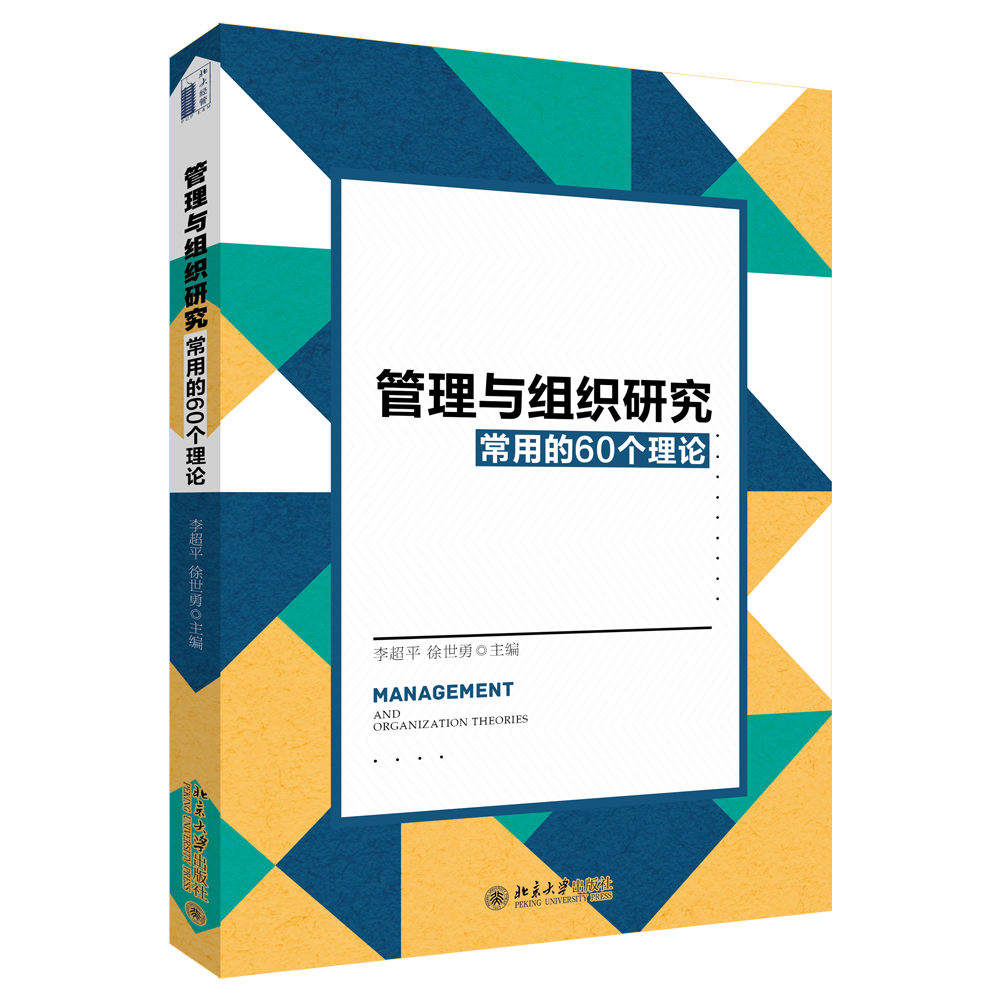






管理与组织研究常用的60个理论
定价:¥78.00
作者: 李超平,徐世勇
出版时间:2019-03
最新印次日期:2025-1
出版社:北京大学出版社
- 北京大学出版社
- 9787301302514
- 1版
- 63267727-4
- 16流
- 2019-03
- 532
- 管理学
- 工商管理类
- 工商管理类
- 本科 高职 五年制高职 高职本科(应用型本科) 中职
作者简介
内容简介
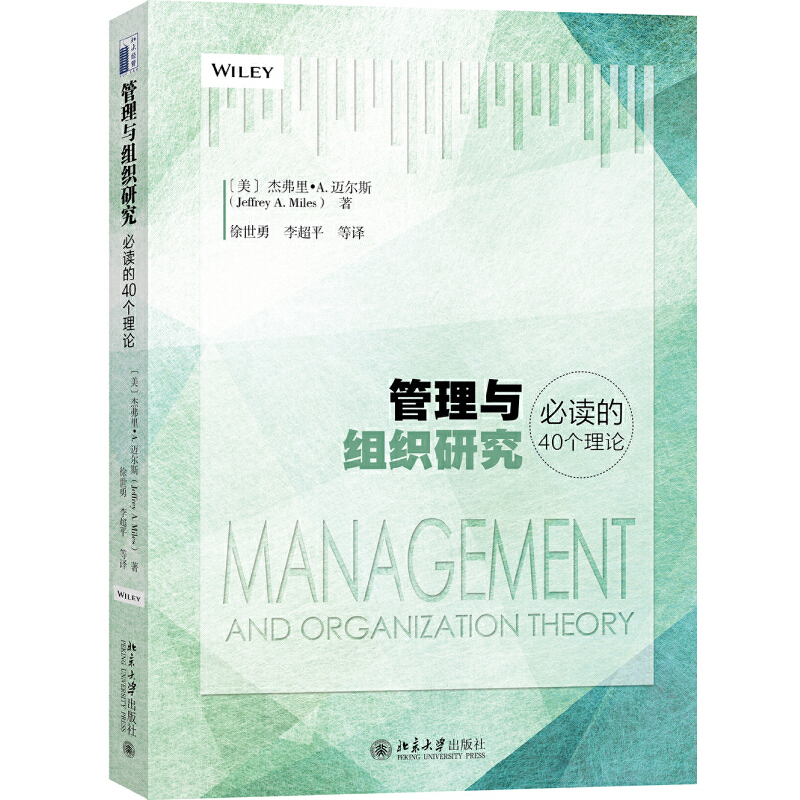
《组织与管理研究理论实用手册》是第一本由国内学者编写的、系统介绍组织与管理研究中常用理论的著作,具有全面性、学术性和实用性三个显著优点。首先,在《管理与组织研究必读的40个理论》包括的理论外,涵盖管理与组织领域的重要理论。第二,对于每个理论的介绍都包括了理论核心内容、对理论的批判与评价、理论的测量等几个方面,具有重要的学术价值。第三,该书尽管是一本学术著作,但作者对于每个理论在组织实践中的应用均做了具体分析,因此对于实践者也具有很强的参考价值。该书一方面系统、全面、深入地介绍了管理与组织研究主流理论的学术著作,另一方面也将理论与实践完美地结合起来,能同时满足各层次管理者的阅读需求。
目录
A
1 Affective event theory
情感事件理论(施俊琦)// 1
B
2 Broaden-and-build theory
积极情绪的拓展-建构理论(谢宝国)// 12
C
3 Co-evolution theory
协同演化理论(刘平青、赵莉)// 22
4 Cognitive appraisal theory
认知评价理论(李永鑫、王胜男)// 30
5 Cognitive dissonance theory
认知失调理论(穆桂斌、杨志刚)// 40
6 Compensatory ethics theory
道德补偿理论(徐世勇、张柏楠)// 49
7 Complexity theory and organizations
组织复杂性理论(冯彩玲)// 58
8 Configural organizational theory
组织构型理论(井润田、孙璇)// 65
9 Conservation of resource theory
资源保存理论
(马红宇、唐汉瑛、张南、史燕伟、张晶)// 74
10 Construal level theory
解释水平理论(王海珍)// 84
11 Contingency theory
权变理论(颜爱民、郭好)// 92
12 Co-opetition theory
竞合理论(牛雄鹰、张芮)// 101
D
13 Dual system theory
决策双系统理论(严进)// 108
E
14 Ego depletion theory
自我损耗理论(李爱梅、肖晨洁)// 118
15 Emotional contagion theory
情绪传染理论(孟慧、郝垒垒)// 127
16 Emotions as social information theory
情绪即社会信息理论(张莉、张振铎)// 136
17 Ethical leadership theory
伦理型领导理论(郑晓明、倪丹)// 144
18 Event system theory
事件系统理论(于晓宇、刘东、厉杰)// 153
F
19 Fairness heuristic theory
公平启发理论(朱金强)// 161
20 Feelings-as-information theory
情感信息理论(张剑、张莹)// 169
G
21 Goal orientation theory
目标定向理论(章凯、仝嫦哲)// 177
I
22 Implicit leadership theory
内隐领导理论(叶龙、王文娇、王蕊)// 187
23 Interaction ritual chain theory
互动仪式链理论(韩雪亮、汤豆、张静)// 194
J
24 Job demands-resources model
工作要求-资源模型(王永丽、谭玲)// 202
L
25 Leader-member exchange (LMX) theory
领导-成员交换理论(韩平、冯星宇)// 210
26 Loose coupling theory
松散耦合理论(蒋建武)// 219
M
27 Middle-status conformity theory
中等阶层一致性理论(蔡地、高宇)// 227
28 Minority influence theory
少数派影响理论(潘静洲、钟锐)// 235
29 Moral licensing theory
道德许可理论(高中华、麻芳菲、苑康康)// 245
N
30 Need-to-belong theory
归属需求理论(江新会、王颖)// 253
31 Neo-institutional theory
新制度理论(贾良定、尤树洋)// 261
O
32 Organizational learning theory
组织学习理论(张昱城、李晶、曹杰)// 270
P
33 Person-environment fit theory
个人-环境匹配理论(于桂兰、梁潇杰、付博)// 279
34 Population ecology theory
种群生态理论(王国峰)// 287
R
35 Regulatory focus theory
调节定向理论(于海波、戴一鸣、程龙)// 294
36 Relative deprivation theory
相对剥夺理论 (赵晨)// 301
37 Resource allocation theory
资源配置理论(雷辉)// 310
38 Resource dependence theory
资源依赖理论(刘冰、齐蕾)// 318
39 Role congruity theory
角色调和理论(赵新元)// 328
S
40 Self-categorization theory
自我分类理论(袁庆宏、牛琬婕)// 332
41 Self-control theory
自我控制理论(李燕萍、洪江鹏)// 341
42 Self-verification theory
自我验证理论(孙利虎)// 352
43 Servant leadership
服务型领导理论(李超平、毛凯贤)// 358
44 Signaling theory
信号理论(朱飞、刘静)// 367
45 Social contagion theory
社会传染理论(闫佳祺、贾建峰)// 375
46 Social contract theory
社会契约理论(刘智强、严荣笑)// 382
47 Social dominance theory
社会支配倾向理论(郭晓薇、吴婷婷)// 390
48 Social information processing theory
社会信息加工理论(杨付、王婷)// 399
49 Social interdependence theory
社会互赖理论(刘得格、张亚)// 405
50 Social learning theory
社会学习理论(王震、朱曦济)// 415
51 Social representation theory
社会表征理论(王宏蕾)// 426
52 Stewardship theory
现代管家理论(苗仁涛、曹毅)// 434
53 Strategic choice theory
战略选择理论(李卫宁)// 443
54 Structural adaptation theory
结构适应理论(许龙、刘宏波、高素英)// 450
T
55 Tournament theory
竞赛理论(赵李晶、张正堂)// 457
56 Trait activation theory
特质激发理论(刘玉新、朱楠)// 464
57 Transformational teadership theory
变革型领导理论(付永刚、刘启)// 472
U
58 Uncertainty management theory
不确定管理理论(段锦云)// 481
59 Uncertainty-identity theory
不确定性-认同理论(杨杰)// 489
60 Upper echelons theory
高层梯队理论(张燕、章莹)// 498
1 Affective event theory
情感事件理论(施俊琦)// 1
B
2 Broaden-and-build theory
积极情绪的拓展-建构理论(谢宝国)// 12
C
3 Co-evolution theory
协同演化理论(刘平青、赵莉)// 22
4 Cognitive appraisal theory
认知评价理论(李永鑫、王胜男)// 30
5 Cognitive dissonance theory
认知失调理论(穆桂斌、杨志刚)// 40
6 Compensatory ethics theory
道德补偿理论(徐世勇、张柏楠)// 49
7 Complexity theory and organizations
组织复杂性理论(冯彩玲)// 58
8 Configural organizational theory
组织构型理论(井润田、孙璇)// 65
9 Conservation of resource theory
资源保存理论
(马红宇、唐汉瑛、张南、史燕伟、张晶)// 74
10 Construal level theory
解释水平理论(王海珍)// 84
11 Contingency theory
权变理论(颜爱民、郭好)// 92
12 Co-opetition theory
竞合理论(牛雄鹰、张芮)// 101
D
13 Dual system theory
决策双系统理论(严进)// 108
E
14 Ego depletion theory
自我损耗理论(李爱梅、肖晨洁)// 118
15 Emotional contagion theory
情绪传染理论(孟慧、郝垒垒)// 127
16 Emotions as social information theory
情绪即社会信息理论(张莉、张振铎)// 136
17 Ethical leadership theory
伦理型领导理论(郑晓明、倪丹)// 144
18 Event system theory
事件系统理论(于晓宇、刘东、厉杰)// 153
F
19 Fairness heuristic theory
公平启发理论(朱金强)// 161
20 Feelings-as-information theory
情感信息理论(张剑、张莹)// 169
G
21 Goal orientation theory
目标定向理论(章凯、仝嫦哲)// 177
I
22 Implicit leadership theory
内隐领导理论(叶龙、王文娇、王蕊)// 187
23 Interaction ritual chain theory
互动仪式链理论(韩雪亮、汤豆、张静)// 194
J
24 Job demands-resources model
工作要求-资源模型(王永丽、谭玲)// 202
L
25 Leader-member exchange (LMX) theory
领导-成员交换理论(韩平、冯星宇)// 210
26 Loose coupling theory
松散耦合理论(蒋建武)// 219
M
27 Middle-status conformity theory
中等阶层一致性理论(蔡地、高宇)// 227
28 Minority influence theory
少数派影响理论(潘静洲、钟锐)// 235
29 Moral licensing theory
道德许可理论(高中华、麻芳菲、苑康康)// 245
N
30 Need-to-belong theory
归属需求理论(江新会、王颖)// 253
31 Neo-institutional theory
新制度理论(贾良定、尤树洋)// 261
O
32 Organizational learning theory
组织学习理论(张昱城、李晶、曹杰)// 270
P
33 Person-environment fit theory
个人-环境匹配理论(于桂兰、梁潇杰、付博)// 279
34 Population ecology theory
种群生态理论(王国峰)// 287
R
35 Regulatory focus theory
调节定向理论(于海波、戴一鸣、程龙)// 294
36 Relative deprivation theory
相对剥夺理论 (赵晨)// 301
37 Resource allocation theory
资源配置理论(雷辉)// 310
38 Resource dependence theory
资源依赖理论(刘冰、齐蕾)// 318
39 Role congruity theory
角色调和理论(赵新元)// 328
S
40 Self-categorization theory
自我分类理论(袁庆宏、牛琬婕)// 332
41 Self-control theory
自我控制理论(李燕萍、洪江鹏)// 341
42 Self-verification theory
自我验证理论(孙利虎)// 352
43 Servant leadership
服务型领导理论(李超平、毛凯贤)// 358
44 Signaling theory
信号理论(朱飞、刘静)// 367
45 Social contagion theory
社会传染理论(闫佳祺、贾建峰)// 375
46 Social contract theory
社会契约理论(刘智强、严荣笑)// 382
47 Social dominance theory
社会支配倾向理论(郭晓薇、吴婷婷)// 390
48 Social information processing theory
社会信息加工理论(杨付、王婷)// 399
49 Social interdependence theory
社会互赖理论(刘得格、张亚)// 405
50 Social learning theory
社会学习理论(王震、朱曦济)// 415
51 Social representation theory
社会表征理论(王宏蕾)// 426
52 Stewardship theory
现代管家理论(苗仁涛、曹毅)// 434
53 Strategic choice theory
战略选择理论(李卫宁)// 443
54 Structural adaptation theory
结构适应理论(许龙、刘宏波、高素英)// 450
T
55 Tournament theory
竞赛理论(赵李晶、张正堂)// 457
56 Trait activation theory
特质激发理论(刘玉新、朱楠)// 464
57 Transformational teadership theory
变革型领导理论(付永刚、刘启)// 472
U
58 Uncertainty management theory
不确定管理理论(段锦云)// 481
59 Uncertainty-identity theory
不确定性-认同理论(杨杰)// 489
60 Upper echelons theory
高层梯队理论(张燕、章莹)// 498
