

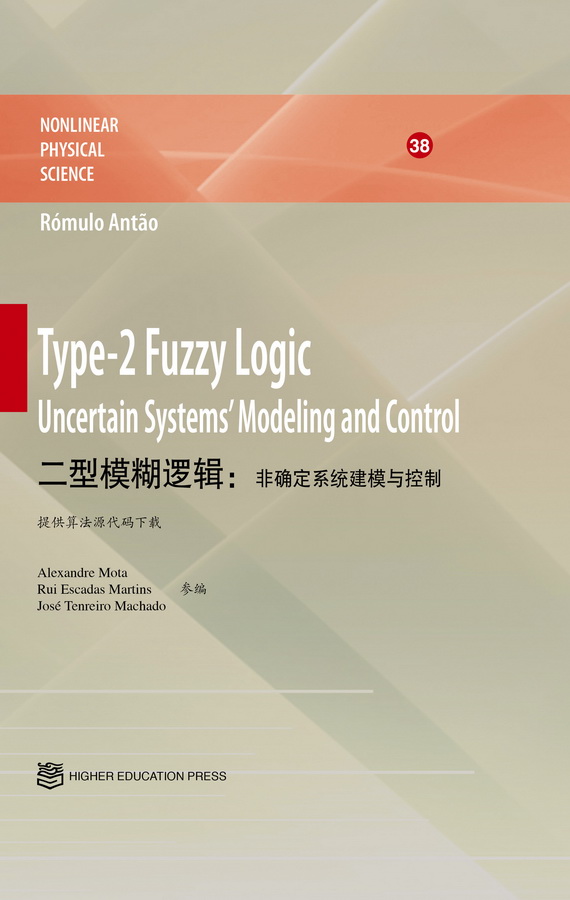
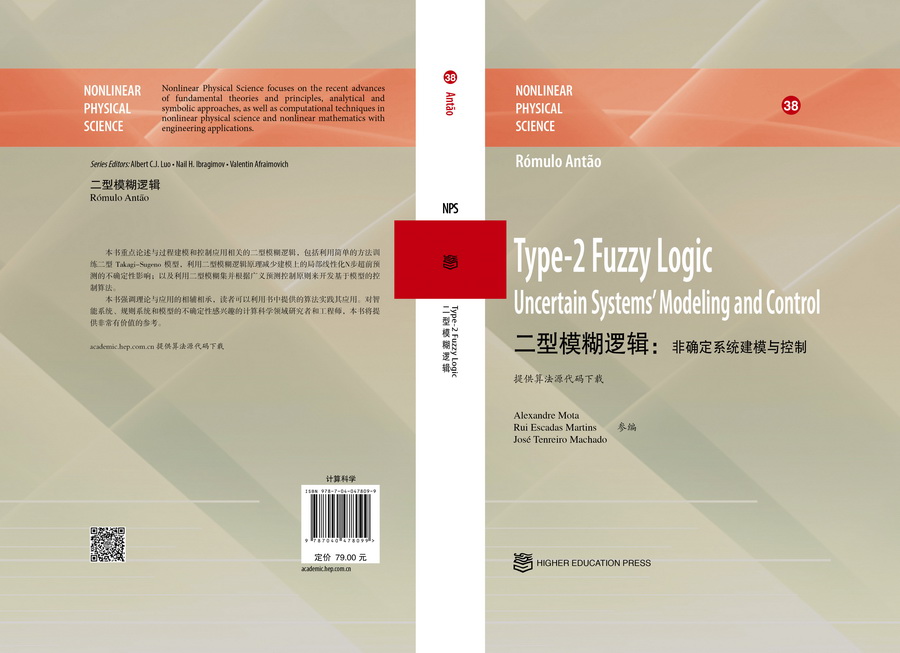


二型模糊逻辑:非确定系统建模与控制(英文版)
定价:¥79.00
作者: J.Tenreiro Machado
出版社:高等教育出版社
- 高等教育出版社
- 9787040478099
- 1版
- 47266116-4
- 16开
- 130
- 理学
- 数学类
- 数学类
- 研究生及以上
目录
目录
前辅文
1 Introduction
1.1 Book Outline
References
2 Fuzzy Logic Systems
2.1 Introduction
2.2 Type-1 Fuzzy Sets
2.3 Type-1 Fuzzy Logic Systems
2.3.1 Fuzzifier
2.3.2 Rule-Base
2.3.3 Inference Engine
2.3.4 Output Processor
2.3.5 Considerations About Type-1 Fuzzy Logic Systems
2.4 Type-2 Fuzzy Sets
2.5 Type-2 Fuzzy Logic Systems
2.5.1 Fuzzifier
2.5.2 Rule-Base
2.5.3 Inference Engine
2.5.4 Type-Reduction
2.5.5 Defuzzifier
2.6 Comparative Analysis
2.7 Conclusions
References
3 Takagi-Sugeno Fuzzy Logic Systems
3.1 Introduction
3.2 Type-1 Takagi-Sugeno Fuzzy Logic Systems
3.3 Type-2 Takagi-Sugeno Fuzzy Logic Systems
3.3.1 A2-C1 Structure
3.3.2 A2-C0 Structure
3.3.3 A1-C1 Structure
3.4 ANFIS Based on Type-2 TS Fuzzy Logic Systems
3.5 Training Algorithms for TS Fuzzy Systems
3.5.1 Model Initialization
3.5.2 Training of the Antecedent Part of the Rule Base
3.5.3 Training of the Consequent Part of the Rule Base
3.6 Conclusions
References
4 System Modeling Using Type-2 Takagi-Sugeno Fuzzy Systems
4.1 Introduction
4.2 Locally Linear Models Based on Type-2 TS Fuzzy Logic Systems
4.2.1 Development of the Interpolated Interval Type-2 Fuzzy Model
4.2.2 Development of the n-step Ahead Predictor
4.3 Application Scenarios
4.3.1 Fermentation Reactor Modeling
4.3.2 Coupled Tanks Modeling
4.4 Conclusions
References
5 Model Predictive Control Using Type-2 Takagi-Sugeno Fuzzy Systems
5.1 Introduction
5.2 Generalized Predictive Control
5.3 Derivation of a n-step Ahead Predictor
5.4 Extension of Generalized Predictive Control to Non-linear Models
5.4.1 Generalized Predictive Control Using Type-2 TS Fuzzy Models
5.5 Application Scenarios
5.5.1 Fermentation Reactor’s Temperature Control
5.5.2 Coupled Tanks Liquid Level Control
5.6 Conclusions
References
6 Processor-In-the-Loop Simulation
6.1 Introduction
6.2 PIL Architecture
6.2.1 Development Board
6.2.2 Embedded System’s Software Architecture
6.3 System Evaluation
6.4 Conclusions
References
7 Conclusions
Appendix
前辅文
1 Introduction
1.1 Book Outline
References
2 Fuzzy Logic Systems
2.1 Introduction
2.2 Type-1 Fuzzy Sets
2.3 Type-1 Fuzzy Logic Systems
2.3.1 Fuzzifier
2.3.2 Rule-Base
2.3.3 Inference Engine
2.3.4 Output Processor
2.3.5 Considerations About Type-1 Fuzzy Logic Systems
2.4 Type-2 Fuzzy Sets
2.5 Type-2 Fuzzy Logic Systems
2.5.1 Fuzzifier
2.5.2 Rule-Base
2.5.3 Inference Engine
2.5.4 Type-Reduction
2.5.5 Defuzzifier
2.6 Comparative Analysis
2.7 Conclusions
References
3 Takagi-Sugeno Fuzzy Logic Systems
3.1 Introduction
3.2 Type-1 Takagi-Sugeno Fuzzy Logic Systems
3.3 Type-2 Takagi-Sugeno Fuzzy Logic Systems
3.3.1 A2-C1 Structure
3.3.2 A2-C0 Structure
3.3.3 A1-C1 Structure
3.4 ANFIS Based on Type-2 TS Fuzzy Logic Systems
3.5 Training Algorithms for TS Fuzzy Systems
3.5.1 Model Initialization
3.5.2 Training of the Antecedent Part of the Rule Base
3.5.3 Training of the Consequent Part of the Rule Base
3.6 Conclusions
References
4 System Modeling Using Type-2 Takagi-Sugeno Fuzzy Systems
4.1 Introduction
4.2 Locally Linear Models Based on Type-2 TS Fuzzy Logic Systems
4.2.1 Development of the Interpolated Interval Type-2 Fuzzy Model
4.2.2 Development of the n-step Ahead Predictor
4.3 Application Scenarios
4.3.1 Fermentation Reactor Modeling
4.3.2 Coupled Tanks Modeling
4.4 Conclusions
References
5 Model Predictive Control Using Type-2 Takagi-Sugeno Fuzzy Systems
5.1 Introduction
5.2 Generalized Predictive Control
5.3 Derivation of a n-step Ahead Predictor
5.4 Extension of Generalized Predictive Control to Non-linear Models
5.4.1 Generalized Predictive Control Using Type-2 TS Fuzzy Models
5.5 Application Scenarios
5.5.1 Fermentation Reactor’s Temperature Control
5.5.2 Coupled Tanks Liquid Level Control
5.6 Conclusions
References
6 Processor-In-the-Loop Simulation
6.1 Introduction
6.2 PIL Architecture
6.2.1 Development Board
6.2.2 Embedded System’s Software Architecture
6.3 System Evaluation
6.4 Conclusions
References
7 Conclusions
Appendix
前辅文
1 Introduction
1.1 Book Outline
References
2 Fuzzy Logic Systems
2.1 Introduction
2.2 Type-1 Fuzzy Sets
2.3 Type-1 Fuzzy Logic Systems
2.3.1 Fuzzifier
2.3.2 Rule-Base
2.3.3 Inference Engine
2.3.4 Output Processor
2.3.5 Considerations About Type-1 Fuzzy Logic Systems
2.4 Type-2 Fuzzy Sets
2.5 Type-2 Fuzzy Logic Systems
2.5.1 Fuzzifier
2.5.2 Rule-Base
2.5.3 Inference Engine
2.5.4 Type-Reduction
2.5.5 Defuzzifier
2.6 Comparative Analysis
2.7 Conclusions
References
3 Takagi-Sugeno Fuzzy Logic Systems
3.1 Introduction
3.2 Type-1 Takagi-Sugeno Fuzzy Logic Systems
3.3 Type-2 Takagi-Sugeno Fuzzy Logic Systems
3.3.1 A2-C1 Structure
3.3.2 A2-C0 Structure
3.3.3 A1-C1 Structure
3.4 ANFIS Based on Type-2 TS Fuzzy Logic Systems
3.5 Training Algorithms for TS Fuzzy Systems
3.5.1 Model Initialization
3.5.2 Training of the Antecedent Part of the Rule Base
3.5.3 Training of the Consequent Part of the Rule Base
3.6 Conclusions
References
4 System Modeling Using Type-2 Takagi-Sugeno Fuzzy Systems
4.1 Introduction
4.2 Locally Linear Models Based on Type-2 TS Fuzzy Logic Systems
4.2.1 Development of the Interpolated Interval Type-2 Fuzzy Model
4.2.2 Development of the n-step Ahead Predictor
4.3 Application Scenarios
4.3.1 Fermentation Reactor Modeling
4.3.2 Coupled Tanks Modeling
4.4 Conclusions
References
5 Model Predictive Control Using Type-2 Takagi-Sugeno Fuzzy Systems
5.1 Introduction
5.2 Generalized Predictive Control
5.3 Derivation of a n-step Ahead Predictor
5.4 Extension of Generalized Predictive Control to Non-linear Models
5.4.1 Generalized Predictive Control Using Type-2 TS Fuzzy Models
5.5 Application Scenarios
5.5.1 Fermentation Reactor’s Temperature Control
5.5.2 Coupled Tanks Liquid Level Control
5.6 Conclusions
References
6 Processor-In-the-Loop Simulation
6.1 Introduction
6.2 PIL Architecture
6.2.1 Development Board
6.2.2 Embedded System’s Software Architecture
6.3 System Evaluation
6.4 Conclusions
References
7 Conclusions
Appendix
前辅文
1 Introduction
1.1 Book Outline
References
2 Fuzzy Logic Systems
2.1 Introduction
2.2 Type-1 Fuzzy Sets
2.3 Type-1 Fuzzy Logic Systems
2.3.1 Fuzzifier
2.3.2 Rule-Base
2.3.3 Inference Engine
2.3.4 Output Processor
2.3.5 Considerations About Type-1 Fuzzy Logic Systems
2.4 Type-2 Fuzzy Sets
2.5 Type-2 Fuzzy Logic Systems
2.5.1 Fuzzifier
2.5.2 Rule-Base
2.5.3 Inference Engine
2.5.4 Type-Reduction
2.5.5 Defuzzifier
2.6 Comparative Analysis
2.7 Conclusions
References
3 Takagi-Sugeno Fuzzy Logic Systems
3.1 Introduction
3.2 Type-1 Takagi-Sugeno Fuzzy Logic Systems
3.3 Type-2 Takagi-Sugeno Fuzzy Logic Systems
3.3.1 A2-C1 Structure
3.3.2 A2-C0 Structure
3.3.3 A1-C1 Structure
3.4 ANFIS Based on Type-2 TS Fuzzy Logic Systems
3.5 Training Algorithms for TS Fuzzy Systems
3.5.1 Model Initialization
3.5.2 Training of the Antecedent Part of the Rule Base
3.5.3 Training of the Consequent Part of the Rule Base
3.6 Conclusions
References
4 System Modeling Using Type-2 Takagi-Sugeno Fuzzy Systems
4.1 Introduction
4.2 Locally Linear Models Based on Type-2 TS Fuzzy Logic Systems
4.2.1 Development of the Interpolated Interval Type-2 Fuzzy Model
4.2.2 Development of the n-step Ahead Predictor
4.3 Application Scenarios
4.3.1 Fermentation Reactor Modeling
4.3.2 Coupled Tanks Modeling
4.4 Conclusions
References
5 Model Predictive Control Using Type-2 Takagi-Sugeno Fuzzy Systems
5.1 Introduction
5.2 Generalized Predictive Control
5.3 Derivation of a n-step Ahead Predictor
5.4 Extension of Generalized Predictive Control to Non-linear Models
5.4.1 Generalized Predictive Control Using Type-2 TS Fuzzy Models
5.5 Application Scenarios
5.5.1 Fermentation Reactor’s Temperature Control
5.5.2 Coupled Tanks Liquid Level Control
5.6 Conclusions
References
6 Processor-In-the-Loop Simulation
6.1 Introduction
6.2 PIL Architecture
6.2.1 Development Board
6.2.2 Embedded System’s Software Architecture
6.3 System Evaluation
6.4 Conclusions
References
7 Conclusions
Appendix
